
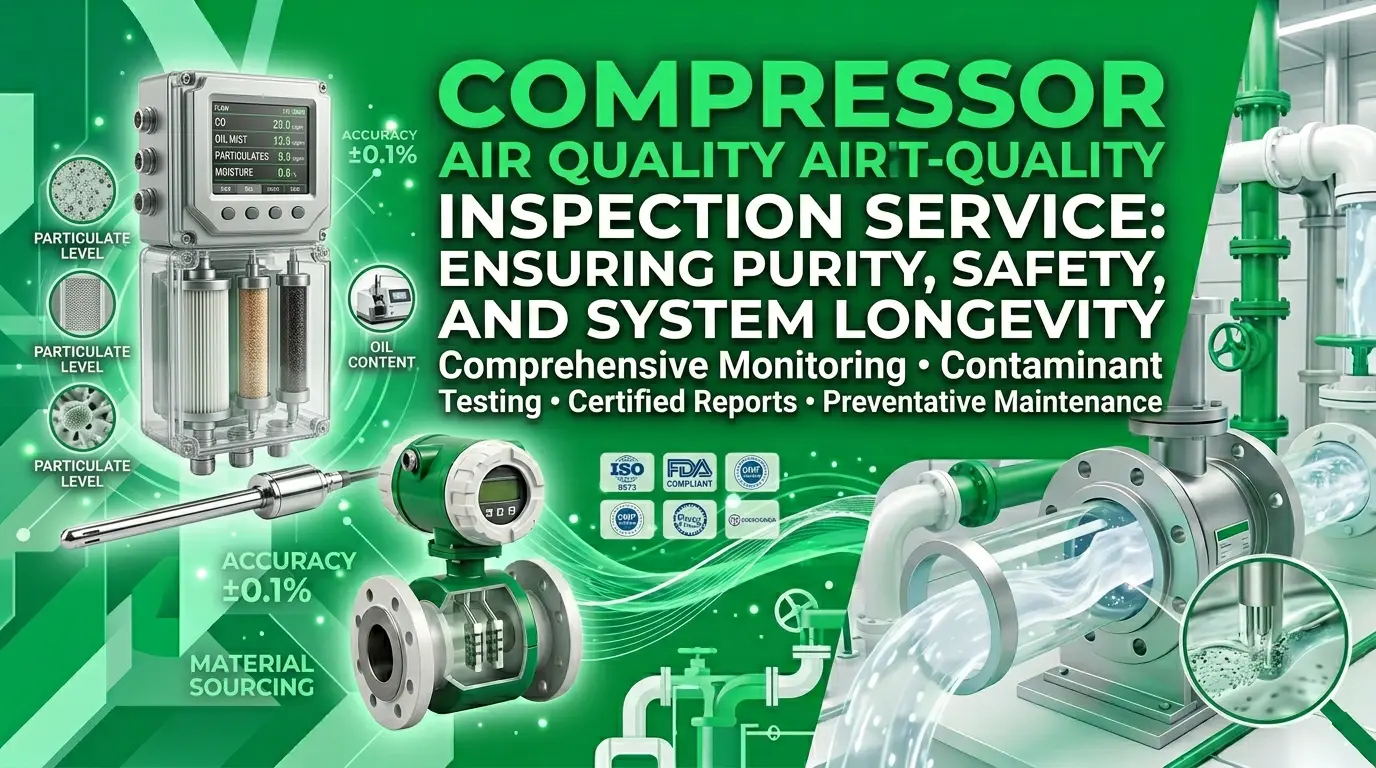
In industrial manufacturing, compressed air is often referred to as the fourth utility. It powers pneumatic tools, drives automated assembly lines, and interacts directly with products in packaging, chemical processing, and food production. However, raw compressed air is inherently dirty, packed with atmospheric dust, water vapor, and vaporized oil particles.
To safeguard your expensive machinery and ensure product safety, investing in a routine compressor air quality inspection service is a necessity. Unseen contaminants inside your air lines can lead to corroded piping, ruined product batches, and sudden, expensive production shutdowns. This comprehensive guide highlights what a professional air quality inspection entails and how it protects your operational bottom line.
The Hidden Dangers of Contaminated Compressed Air
When atmospheric air is drawn into a compressor and pressurized, the concentration of airborne particles, moisture, and oil increases exponentially. If your filtration and drying systems experience minor faults, these contaminants enter your downstream distribution network.
The Major Contaminants Targeted During Inspections
A comprehensive air quality inspection focuses on identifying and measuring three critical threats:
- Solid Particulate Matter: Dust, pipe scale, and metal shavings that abrade internal pneumatic seals and clog sensitive control valves.
- Liquid and Vapor Moisture: Water that condenses inside the cooler parts of your piping, leading to rust, bacterial growth, and pneumatic tool washouts.
- Oil Aerosols and Vapors: Lubricants carried over from the compressor pump block that can contaminate end products and degrade rubber seals.
Key Components of a Professional Inspection Service
A reliable compressor air quality inspection service goes far beyond a simple visual check. Specialized technicians deploy advanced diagnostic tools to analyze the exact composition of your compressed air stream.
Laser Particle Counting
Technicians utilize specialized optical particle counters connected directly to your air discharge valves. This technology detects the presence and size distribution of solid particulates passing through your filters, verifying if your purification elements are working correctly.
Dew Point Analysis
Moisture content is evaluated by measuring the pressure dew point of the compressed air system. If the dew point is too high, it indicates that your refrigerated or desiccant air dryers are underperforming, putting your downstream processes at risk of water condensation.
Oil Content and Vapor Testing
Using advanced chemical indicator tubes or sophisticated mass spectrometry sensors, inspectors measure the concentration of liquid oil and hydrocarbon vapors within the air stream. This is especially vital for oil-injected screw compressors where separator elements can degrade over time.
Operational Risk Matrix: Contamination Effects
To help your maintenance team recognize the symptoms of poor air quality, use this diagnostic reference:
| Contaminant Type | Primary Source | Impact on Pneumatic Tools | Impact on End Products |
| Excess Moisture | Atmospheric Humidity / Dryer Failure | Internal corrosion, sluggish valve response | Blistering paint finishes, spoiled product packaging |
| Solid Particles | Intake Air / Internal Pipe Rust | Increased mechanical wear, seal scoring | Surface contamination, blocked micro-orifices |
| Oil Carryover | Compressor Lubricant / Separator Failure | Swollen seals, ruined pneumatic components | Discoloration, chemical odor contamination |
Compliance and Quality Frameworks
Partnering with a certified inspection provider ensures your facility remains compliant with strict international manufacturing frameworks. Industrial-grade air purity testing must align with global benchmark protocols:
- ISO Compressed Air Purity Standards: The international benchmark that classifies compressed air purity based on maximum allowable limits for particles, water, and oil.
- FDA and GMP Guidelines: Essential compliance benchmarks for manufacturing environments where compressed air directly or indirectly contacts food, beverage, or pharmaceutical goods.
- Local Environmental and Safety Regulations: Protects your workforce from inhaling air containing hazardous oil mist or toxic particulates.
Industry Insight: “Many facilities replace expensive pneumatic valves repeatedly without realizing the root cause is a faulty desiccant dryer. A professional air quality test uncovers the root cause before components fail.” — Lead Plant Maintenance Consultant
Real-World Social Proof
“Our packaging line faced recurring product contamination rejections that we couldn’t track down. Bringing in an inspection service revealed an oily vapor leak past our main filter stack. Fixing it saved our quality rating and reduced tool maintenance costs immediately.” — Deni S., Quality Assurance Manager
Maximize System Reliability: Hebron Perkasa Mandiri
Maintaining pure compressed air requires ongoing vigilance and technical expertise. Relying on guesswork can result in expensive product recalls or unexpected plant downtime.
Hebron Perkasa Mandiri is your trusted partner for premium Industrial Fabrication & Maintenance solutions. They do not just offer standard repair services; they provide a comprehensive compressor air quality inspection service designed to keep your plant running at peak efficiency. Their experienced engineering team analyzes your complete air generation system, diagnoses filtration inefficiencies, and provides actionable data to optimize your air purity. Keep your production lines safe and compliant by scheduling an air quality evaluation with their technical specialists today.
Frequently Asked Questions (FAQ)
What is the purpose of a compressor air quality inspection service?
The service evaluates the levels of solid particles, moisture, and oil vapor in your compressed air system. This ensures your air purity complies with international quality standards, prevents damage to pneumatic tools, and guards against product contamination.
How does moisture in compressed air damage downstream equipment?
When compressed air cools down inside your piping network, water vapor condenses into liquid water. This liquid washes away necessary lubricants inside pneumatic tools, causes rust inside piping, and creates a breeding ground for bacteria in food-related applications.
Can a standard filter remove oil vapors from compressed air?
Standard particulate filters only trap solid elements. To remove liquid oil droplets and oil vapors, your system requires specialized coalescing filters followed by activated carbon towers or carbon filters designed to adsorb gaseous hydrocarbons.
How frequently should an industrial compressed air system be tested?
For standard mechanical workshops, annual testing is generally sufficient. However, for critical manufacturing sectors like food packaging, electronics, and pharmaceuticals, quarterly or bi-annual inspections are recommended to ensure constant compliance and safety.
How can I book an air quality inspection for my industrial facility?
You can contact the technical support team at Hebron Perkasa Mandiri. As a provider of comprehensive Industrial Fabrication & Maintenance solutions, they offer detailed system testing, air quality auditing, and custom filtration upgrades tailored to your plant layout.

Related Posts
Juli 13, 2026
SUTO Distributor and Reseller: Premium Industrial Solutions
In modern industrial facilities, monitoring the efficiency and purity of compressed air and gas systems…
Juli 13, 2026
Industrial Digital Power Measurement Tools: The Definitive Guide to Energy Intelligence and Efficiency
In modern industrial facilities, energy is one of the highest operational costs. For electrical engineers,…
Juli 6, 2026
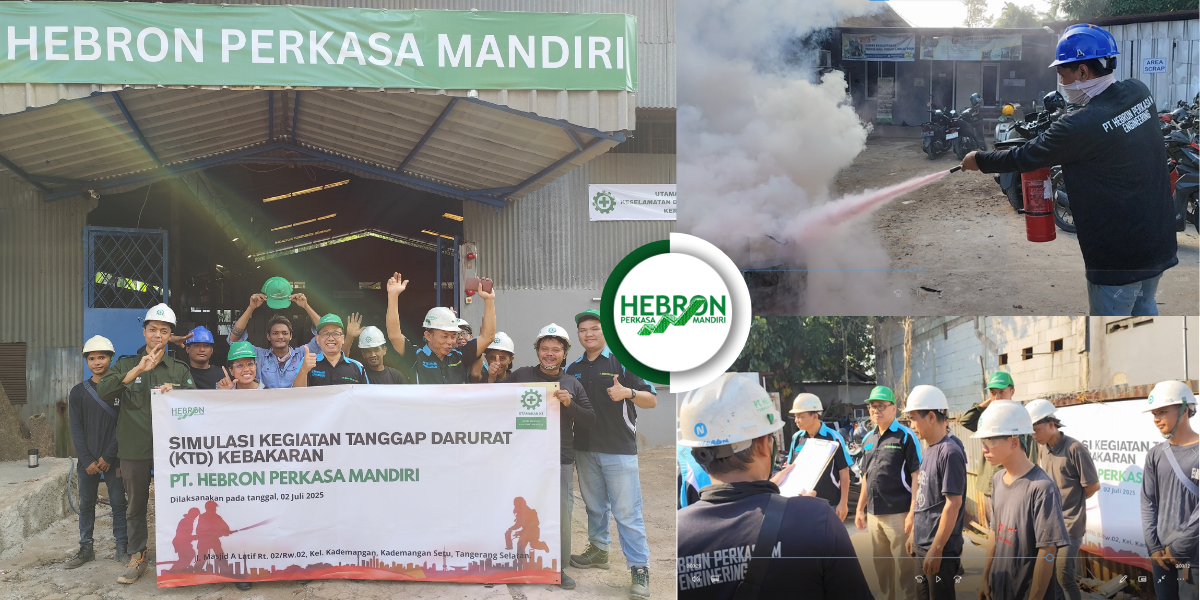
Simulasi Keadaan Tanggap Darurat (KTD) Kebakaran PT Hebron Perkasa Mandiri Perkuat Budaya K3 di Lingkungan Kerja
Tangerang Selatan, 2 Juli 2025 – PT Hebron Perkasa Mandiri menyelenggarakan Simulasi Keadaan Tanggap Darurat…
Juli 6, 2026
PT Hebron Perkasa Mandiri: Authorized Distributor Donaldson & Nederman | SUTO iTEC Partner
PT Hebron Perkasa Mandiri merupakan Authorized Distributor Donaldson dan Nederman serta SUTO iTEC Partner yang…